
England Team Kit: Identity, Design, and the Weight of the Three Lions
he England team kit is never just a shirt. When Harry Kane walked out at Wembley in the 2022 home strip, the white fabric carried decades of expectation, from Moore to Shearer to the current captain. Every new release sparks debate—fans dissect collar shapes, shade of navy, and whether the crest sits too high. The kit is a national conversation starter。and the design choices are rarely accidental.Nike took over from Umbro in 2012 and immediately shifted the aesthetic. Umbro’s tailored, understated look gave way to sharper templates and bolder color blocking. The 2018 home kit。
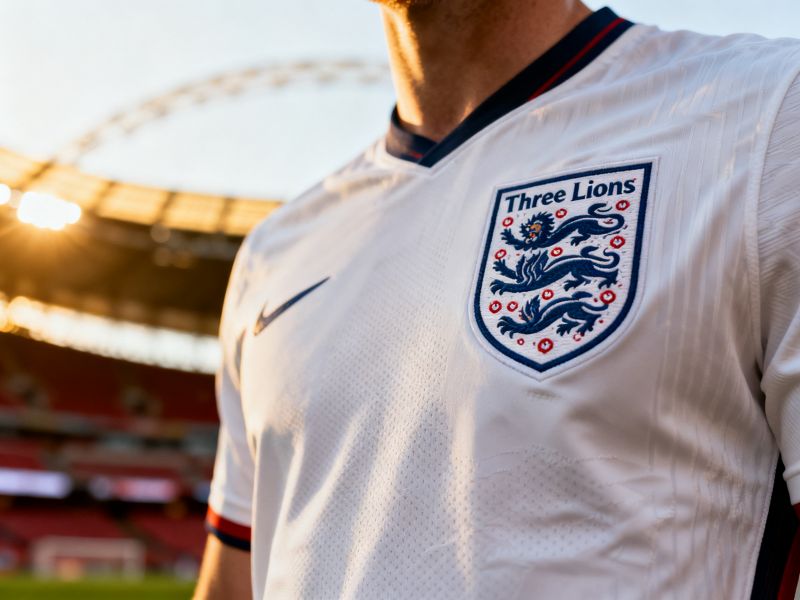
with its white torso and faint blue gradient cross, divided opinion. Some saw a modern classic;others missed the simplicity of the 1990 kit. My own view: the 2018 design worked because it echoed the St George’s cross without shouting. The away kit that year, a deep red with navy trim, felt more like a retro tribute than a marketing exercise. That balance—respecting history while trying something new—is the hardest thing an England team kit can pull off.Materials matter as much as symbolism. Modern England kits use Nike’s Dri-FIT ADV technology, which is a fancy way of saying the fabric wicks sweat and stretches in the right places. I’ve worn replica versions for five-a-side。and the difference from a cheap knockoff is obvious—the collar doesn’t sag after one wash. Player-issue shirts are even lighter, with laser-cut ventilation zones. But here’s the thing: fans don’t buy kits for performance. They buy them for the badge. And the badge—the Three Lions—has been redesigned more times than most supporters realize. The 2022 version sits inside a shield that feels tighter, more contemporary. Purists grumbled. Kids didn’t care.Pricing remains a sore point. A standard adult England team kit costs around £85 for the shirt alone。and that’s before you add shorts and socks. Replica versions sell for £65. For a family of four, kitting everyone out for a tournament runs past £300. I’ve seen parents buy one shirt and let siblings share. The FA and Nike argue that research and development justify the cost, and there’s truth to that—the fabric engineering is real. But when a kid in a council estate can’t afford the latest shirt, the kit stops being a unifying symbol and becomes a status marker. That tension isn’t new, but it’s sharper now.What makes an England team kit truly successful?It’s not the technology or the price tag. It’s whether the shirt feels right when the team walks out. The 1990 kit is iconic because of Gazza’s tears. The 1996 kit brings back Shearer’s celebration. The 2024 home strip。
with its subtle navy trim and clean white base, already looks like it belongs. I watched the friendly against Brazil in March, and the kit didn’t distract—it just sat there, doing its job. That’s the highest compliment you can give a design. When the whistle blows, nobody should be thinking about the collar. They should be thinking about the badge.
Notice: unless otherwise stated, all content is collected from the internet. If it infringes your rights, please contact us for removal.